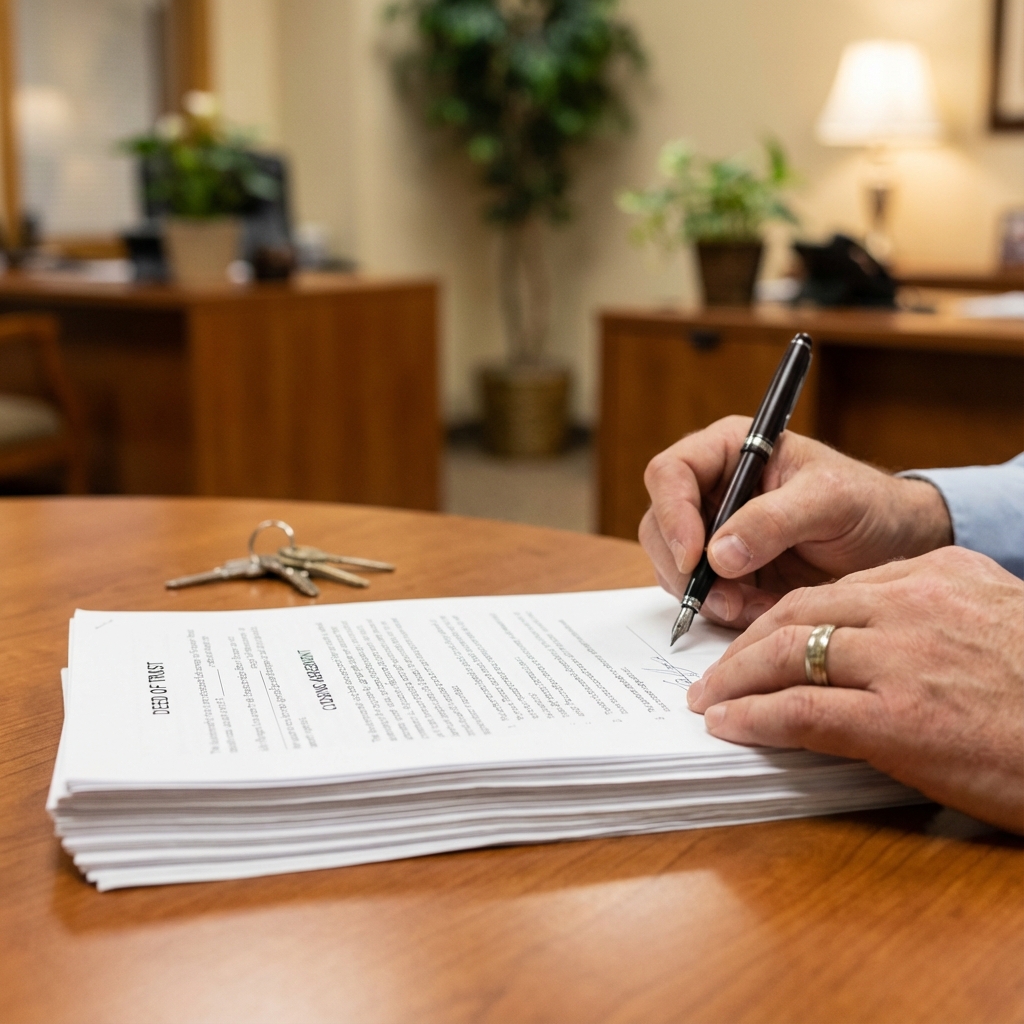
You've saved for the down payment and negotiated the price. But there is one final financial hurdle before you get the keys: Closing Costs. These fees can catch first-time buyers off guard. This guide breaks down exactly what you're paying for and how much to budget.
How Much Should You Budget?
The Rule of Thumb
Buyers should expect to pay between 2% and 5% of the home's purchase price in closing costs. On a $350,000 home, that is $7,000 to $17,500.
This wide range depends on your location, lender, and the specific taxes in your municipality. These costs are in addition to your down payment.
Breakdown: Where Does The Money Go?
Closing costs aren't just one fee; they are a bundle of payments to various professionals involved in the transaction.
1. Lender Fees
Fees charged by your bank to process your loan.
- Origination Fee: ~0.5-1% of loan amount for handling the paperwork.
- Application/Underwriting Fee: Costs for verifying your credit and income.
- Discount Points: Optional fees paid upfront to lower your interest rate.
2. Third-Party Fees
Services required by the lender to verify the property's value and legal status.
- Appraisal: ($500-$800) To confirm the home is worth the purchase price.
- Title Search & Insurance: Ensures no one else has a claim on the property ownership.
- Home Inspection: ($400-$600) Highly recommended to find structural issues.
3. Prepaid Items (The "Escrow" Account)
Lenders require you to pay some ongoing costs in advance.
- Property Taxes: Usually 3-6 months of taxes paid upfront.
- Homeowners Insurance: Typically 12 months premium paid at closing.
- Prepaid Interest: Interest covering the days between closing and your first payment.
Can You Lower Closing Costs?
Yes, some of these costs are negotiable or shoppable.
- Shop Around: items like Title Insurance and Homeowners Insurance vary by provider. Get quotes.
- Negotiate with Seller: You can ask the seller to pay for some of your closing costs (known as "Seller Concessions"). This is common in buyer's markets.
- Close at End of Month: Setting your closing date near the end of the month reduces the amount of prepaid daily interest you owe.
Pro Tip: Upon applying for a loan, you will receive a Loan Estimate (LE). Review this document carefully. It is the law that lenders disclose these estimated costs upfront.